2028 could be decided by a national popular vote
Republicans have only won the national popular vote twice since 1988 (in the elections of 2004 and 2024). Yet, since the turn of the century, Americans have spent more years with a Republican in the White House than a Democrat.

Our presidential elections are much more complex than the average American understands. When we vote, we're not really voting for the president; we're voting for so-called "electors," through a system called the Electoral College. States have the same number of electors as members of Congress.
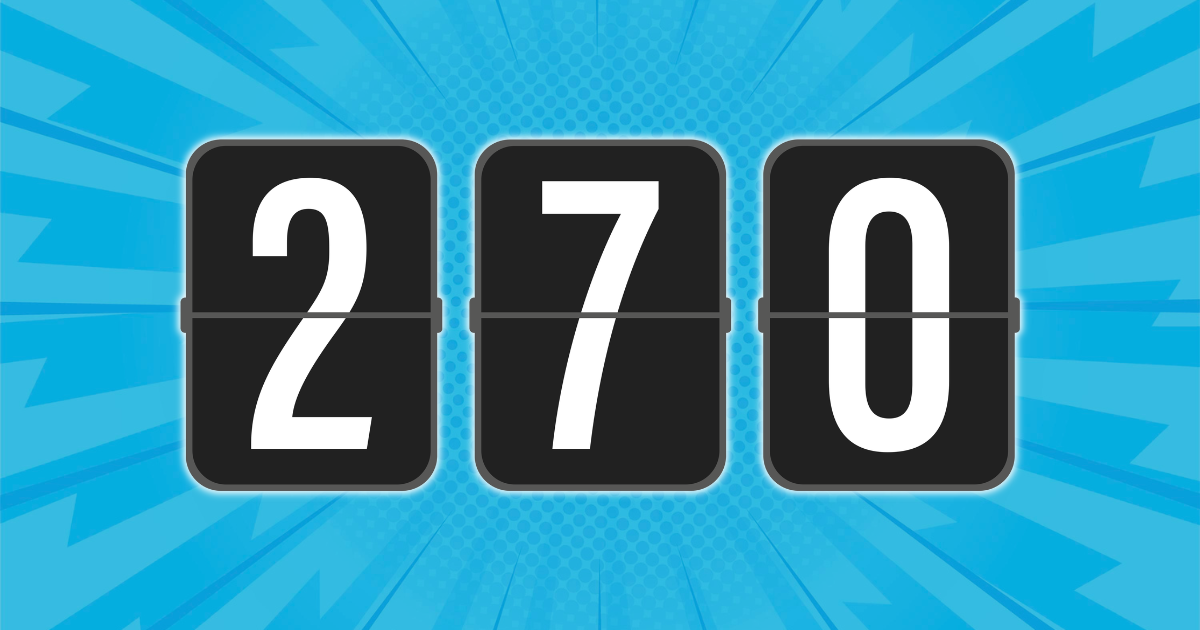
To win an election, you simply need to win 270 votes in the Electoral College. Historically, this system has been criticized because voters in smaller states have a bigger influence on elections than voters in larger states. With more Republicans living in smaller states, this is why Republicans win the presidency while losing the national popular vote.
In most states, every elector goes to whoever won the statewide vote. However, in states like Maine and Nebraska, two electors are awarded to the person who wins the statewide vote, and the rest are awarded by congressional district. This is because the U.S. Constitution allows individual state governments to decide how these electors are allocated.
Each State shall appoint, in such Manner as the Legislature thereof may direct, a Number of Electors, equal to the whole Number of Senators and Representatives to which the State may be entitled in the Congress
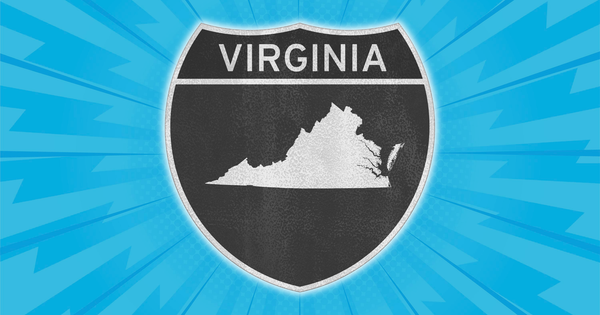
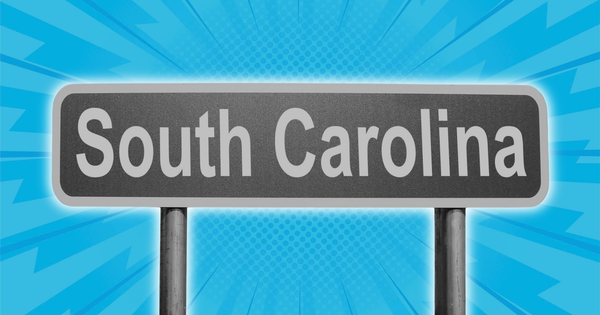
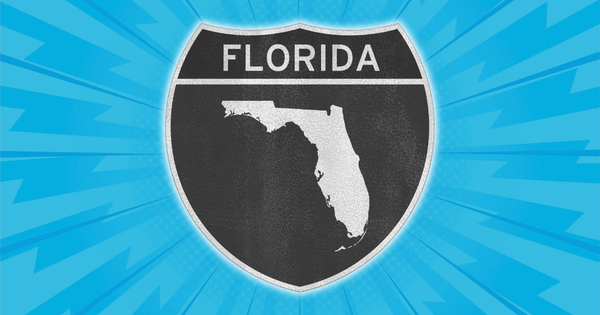
With the Democratic Party upset about losing the presidency despite getting more votes nationwide, they came up with a creative solution. Since the Constitution gives states the power to determine how electoral votes are awarded, they created the National Popular Vote Interstate Compact (NPVIC). Instead of awarding electors to the statewide winner, member states would award their electors to the nationwide winner. The states below have joined the compact.
This means a state like California awarded its electors to Trump when he won the national popular vote in 2024, right? No. The compact also includes a provision that prevents it from activating until enough states have signed on. It needs 270, a majority of the Electoral College. The NPVIC is currently close to reaching that goal, with 222 electoral votes pledged to the national popular vote winner.
If Democrats control both state legislative chambers and the governorship in any given state, they can continue building the compact toward 270 electoral votes. Luckily for them, this November could usher in a blue wave, and control of countless state governments is on the line. With certain combinations, winning just three of the states below could be enough to reach a majority and activate the compact.
With every vote holding equal weight, presidential campaigns would shift away from a few swing states and towards the rest of the country, focused especially on mobilizing partisan bastions. Certainly, legal challenges would arise should the compact be activated. But regardless, our country could be closer than ever to choosing a president by a national popular vote.